
State Treasurer Todd Russ's July revenue report is out, and the headline is steadiness: $1.5 billion flowed into state coffers during the month, up 2.6 percent from July 2025. Over the trailing 12 months, Oklahoma has collected $17.95 billion, an increase of $977.5 million, or 5.8 percent, over the prior 12-month window. “July's report shows a steady economic environment,” Russ said, crediting steady consumer spending, manufacturing momentum and moderating inflation.
A word on what this report is, because Oklahoma publishes two revenue scoreboards and they answer different questions. The treasurer's gross receipts report counts essentially everything the state collects — income, sales and use, gross production, motor vehicle and the rest — before any of it is apportioned among funds. That breadth makes it the state's fastest economic gauge: when Oklahomans earn, spend and drill more, it shows up here first. The separate General Revenue Fund report, published mid-month by the Office of Management and Enterprise Services, measures only the slice that actually funds the appropriated budget, after rebates and apportionments, and it is the number agencies live and die by.
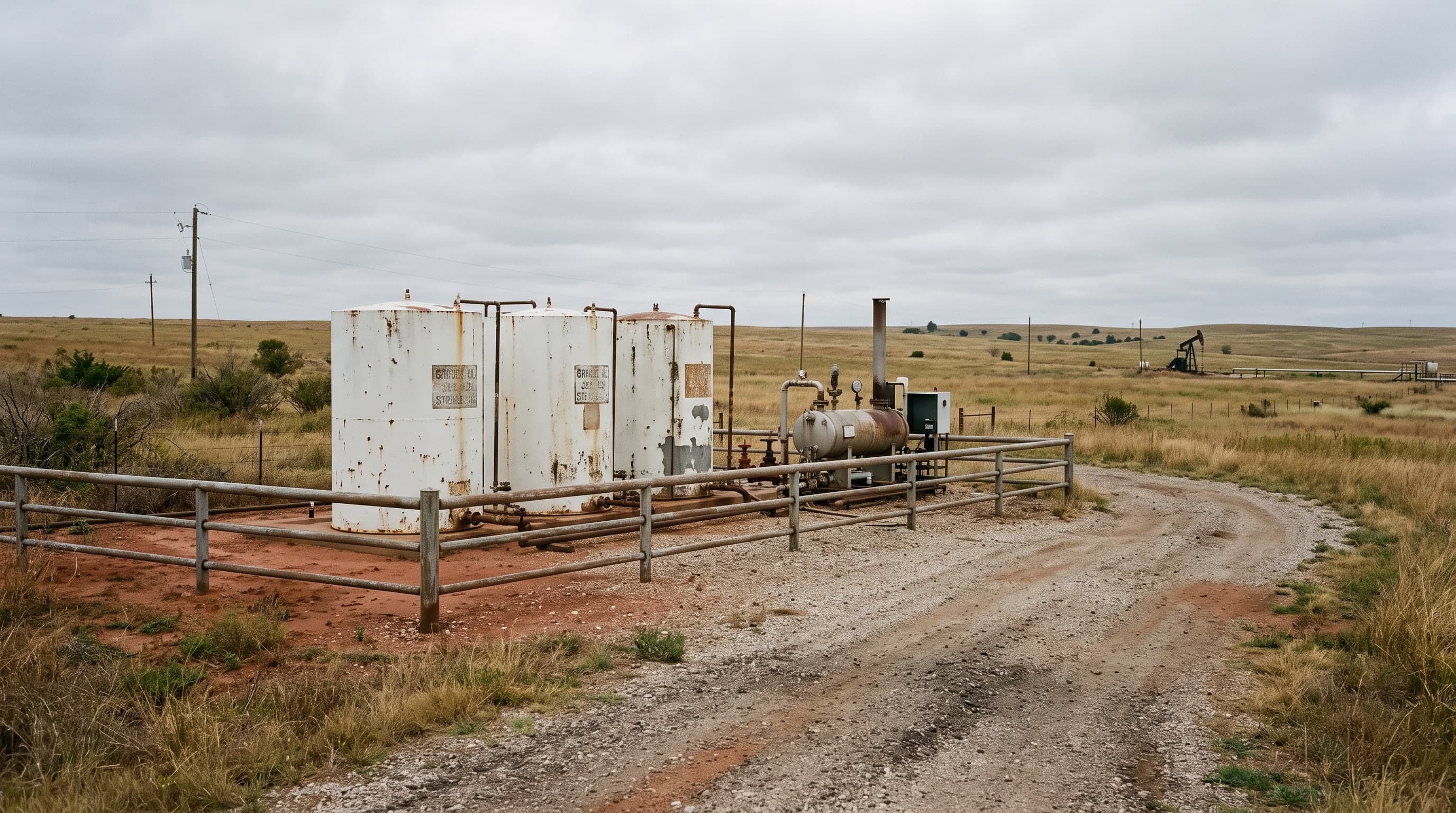
Inside July's gross receipts, the workhorse is the gross production tax — the severance tax levied on the value of oil and natural gas produced in the state. Over the past 12 months it totaled $1.1 billion, up $87.8 million, or 8.3 percent. Gross production is the most volatile line in the report, because it moves with commodity prices and drilling activity rather than paychecks, and right now it is moving in the state's favor. It is also a reminder of how much Oklahoma's fiscal base still rides the wellhead: an 8.3 percent swing in this line can mask or magnify softness everywhere else.
The consumer side held up too. Sales and use tax collections came in at $643.6 million for the month, and Russ pointed to manufacturing sitting in expansion territory as supporting employment and spending. Those two lines together — what people buy and what the energy patch produces — are carrying the growth while income tax collections do the steadier, less dramatic work underneath.
The caveat worth carrying into fall: almost none of this yet reflects the summer's agricultural stress. The wheat crop came in at roughly half of last year's, ranchers are selling cattle at record prices but on sharply thinner volumes, and the flash drought that swallowed most of the state in the past two weeks is exactly the kind of rural shock that reaches small-town sales tax receipts with a lag of months. July's report says the broad economy is steady. Whether it stays that way through a dry fall is the question the next few reports will answer.
Sources: Oklahoma Energy Today: July revenue report · Oklahoma Treasurer: news releases