
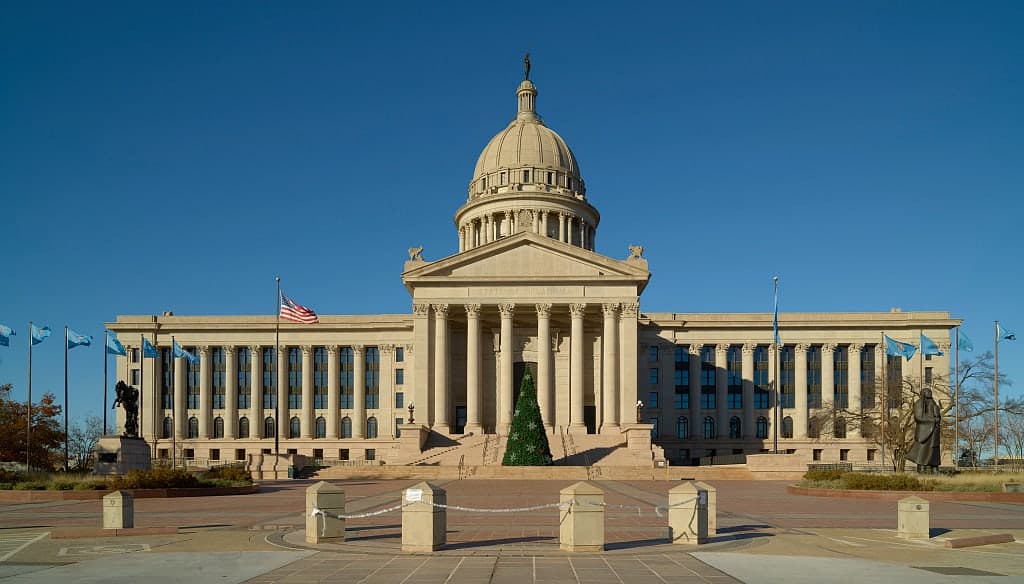
Oklahoma lawmakers moved fast in 2026. The session ran its three months, closed with an early budget agreement, and sent a slate of proposed constitutional amendments toward the ballot. Speed is not the same as scrutiny, and an early deal is the kind of thing that gets announced once and then never explained again.
So here is the plain version of what the deal contains and where it lands.
The pieces lawmakers themselves point to are a literacy overhaul in the lower grades and a cost-of-living adjustment for retired public employees — the first meaningful COLA that group has seen in a long stretch. Both are recurring costs. Both will show up in every budget after this one, which is the part that rarely gets said out loud when a deal is announced as a win.
More than a hundred bills took effect on July 1. That is the real budget story for most households, because appropriations are abstract and statutes are not. The classroom rules changed. Medicaid administration changed. The rules for clearing an old criminal record changed. Each of those carries a cost or a saving that was priced into the agreement lawmakers shook hands on in the spring.
What an early deal costs is deliberation. When leadership settles the top-line number before the committee process has finished arguing about it, the arguing stops. Amendments that would have been fought over become amendments nobody has time to read. This is not a partisan observation — it is the mechanical consequence of a compressed calendar, and it applies to any majority in any state.
The proposed constitutional amendments are the piece to watch through the fall. A statute can be repealed by the next legislature that dislikes it. An amendment ratified at the ballot box cannot. Anything on this year's ballot is a decision with a much longer tail than the budget that produced it, and it will be decided by whoever turns out in November.
The practical advice for a reader in a county seat: the state budget will not tell you what changed in your school district, your courthouse, or your clinic. The July 1 statutes will. Read those.
We will keep tracking where the appropriations actually land — district by district, county by county — as the fiscal year runs.
We will keep tracking where the appropriations actually land — district by district, county by county — as the fiscal year runs.
Sources: KOSU, 2026 legislative session coverage · New Oklahoma laws effective July 1, 2026