
Oklahoma spent part of 2026 under a zero-tolerance burn ban covering 43 counties, Tulsa, Creek and Rogers among them. Under a ban, outdoor burning stops: controlled burns, bonfires, fire pits, chimineas. Grilling and welding over a non-flammable surface remain allowed. A violation can draw a fine of up to $1,200, up to six months in jail, or both.
Bans move fast because conditions do. The authoritative, continuously updated picture is the Mesonet burn ban map, and it is the only version worth relying on — a county can go under or come out between one news cycle and the next.
The structural argument this year has been about who declares one and how quickly. Legislators looked at making it easier for counties to issue burn bans, on the straightforward reasoning that the people best positioned to read local fire danger are the county officials and fire chiefs living in it, and that a process requiring a slower approval chain does not match how fast a wind-driven grass fire develops.
The counterargument is real and deserves stating. Burn bans have costs. Prescribed fire is a legitimate and necessary land-management tool — for brush control, pasture health, and reducing the fuel load that makes the next fire worse. A ban that stays in place too long, or is called too readily, pushes that work into a shorter window and can make conditions worse over a season.
Which is to say this is not a safety-versus-freedom argument. It is a question about who holds a judgment call, and how the person holding it is accountable when they get it wrong in either direction.
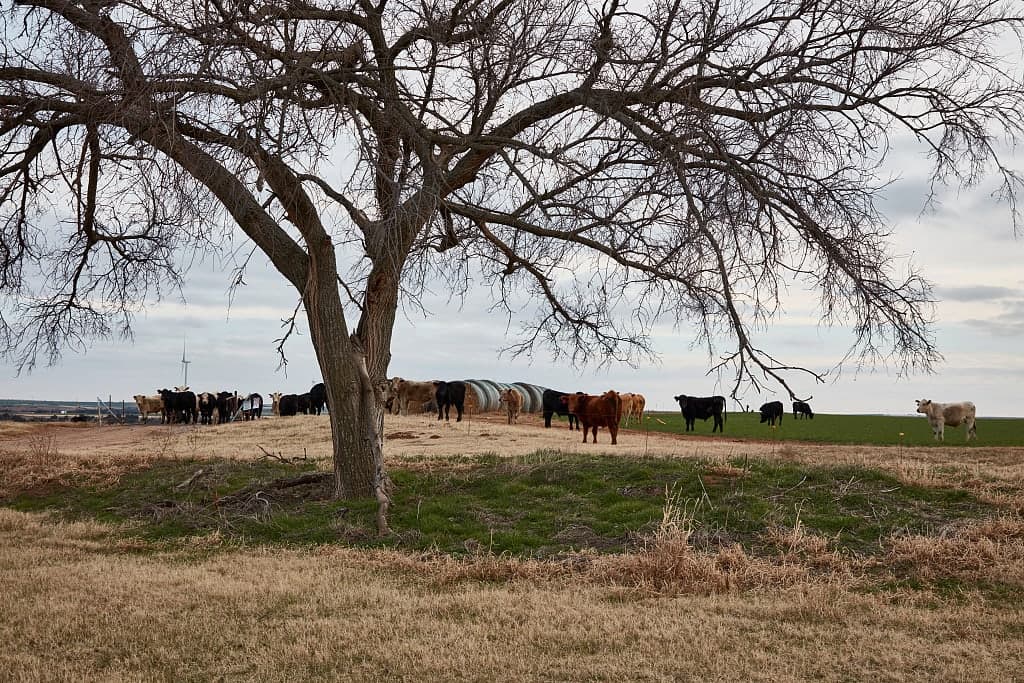
The drought context is not abstract this year. The same moisture deficit that cut the state's wheat crop roughly in half left standing fuel across pasture country. Short grass that cures out is exactly what carries fire on a windy day.
Practical points for a landowner: check the Mesonet map before any burn, not the memory of last week; a county-level ban is enforceable regardless of whether a burn would otherwise be responsible; and if your county commission is considering ban policy, that meeting is public and lightly attended.
Sources: KOSU: making it easier for counties to issue burn bans · Mesonet: current Oklahoma burn bans